Soft washing begins with Syracuse material and condition
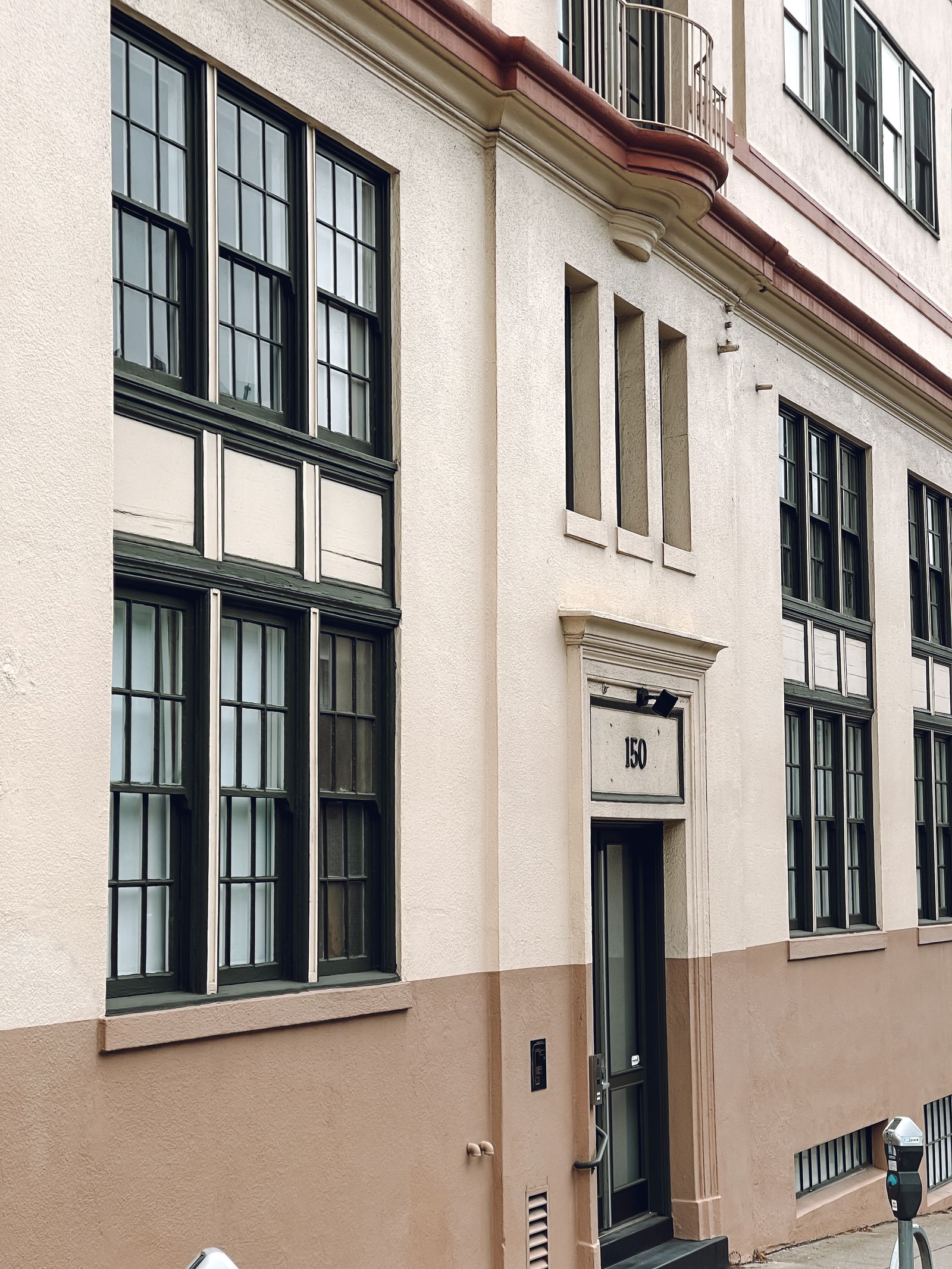
A Syracuse soft-wash decision starts with the deposit and the facade assembly. Compatible treatment may help on tested brick, masonry, painted concrete, stucco, EIFS, and similar zones carrying algae, mildew, pollen, bird residue, or atmospheric film. Reduced impact is useful, but chemical concentration, dwell time, temperature, wind, plant protection, overspray, and rinse control still matter. On an older downtown or Armory Square building, a small test area can show how original mortar, later repairs, salt, and freeze-thaw wear respond before the full elevation is scheduled.
Syracuse facades often combine wall fields with stone trim, storefront glass, metal frames, canopies, cornices, balconies, and newer additions. A method that fits a brick wall may be wrong for a painted sign, soft stone, window frame, fragile joint, or decorative detail. Define the result first: recurring maintenance, organic-growth treatment, winter-residue reset, or specialty restoration. The proposal should say what should improve, what may remain, and what needs preservation, repair, or another specialist.
Pressure washing has a narrower role than a machine setting suggests
Pressure washing may fit selected sound concrete approaches, truck courts, garage floors, service yards, sidewalks, parking structures, and similar hardscape after force, distance, flow, drainage, and surrounding activity are assessed. It should not be treated as the default for a Syracuse facade. Uncontrolled impact can erode historic joints, remove paint, scar soft stone, disturb a brick face, widen a defect, or force water behind a coating. Equipment capacity does not prove that the method fits the building.
Lower Syracuse elevations carry road salt, brine, sand, slush, soot, pedestrian soil, exhaust, and runoff marks, while upper elevations may show pollen, mildew, and rain streaks. Hospitals, retail sites, campuses, offices, and factories also have patients, guests, shoppers, students, tenants, deliveries, and public paths close to the work. Ask where pressure is proposed, why the material can tolerate it, what protection is required, and how the dry finish will be checked. A mixed-method scope is often more accurate than one setting for every surface.
Compare methods by lake-effect snow, salt, and freeze-thaw
Syracuse's lake-effect snow and winter maintenance patterns change how buildings soil. Salt and snowmelt collect around doors, curbs, garage ramps, loading docks, parking decks, and lower walls. Spring pollen settles on ledges and entries; humidity and shade can support organic growth; repeated wetting and freezing can expose weak joints, cracked coatings, and spalled edges. A roadside lower wall, a sheltered Armory Square cornice, and a broad retail elevation do not have the same cleaning problem. Method selection should follow exposure, substrate, and the desired finish.
A work window can close because of heavy rain, wet snow, freezing temperatures, lightning, gusts, poor visibility, icy routes, or fast meltwater. Wind affects spray control and aerial stability; cold changes dwell and drying; snowmelt can move loosened residue over completed work. Ask the quote to state weather and pedestrian stop points, rescheduling expectations, and a dry review after the facade and surrounding paths have settled.
Compare access for downtown, retail, university, medical, and industrial sites
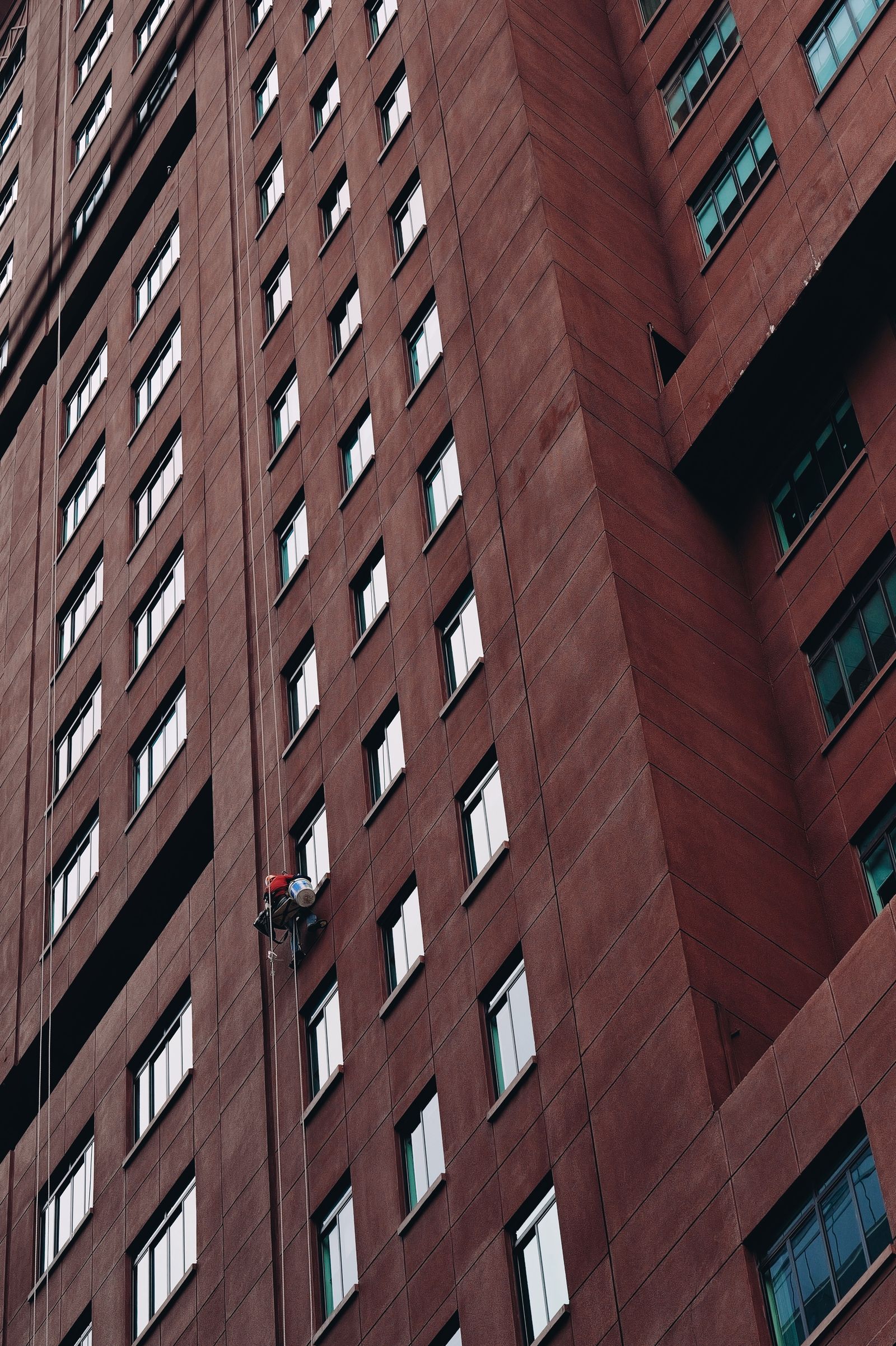
Drone-assisted wetting or rinsing may reduce lift staging for broad, compatible upper walls, parapets, ledges, or rinse zones. The benefit depends on wind, stand-off distance, airspace, line of sight, launch and recovery space, water supply, public separation, and contact-detail needs. It may be practical on an open industrial or office elevation, but less suitable on a narrow downtown block, around wires, near airport operations, beside active sidewalks, or during a university or retail event.
A drone can assist selected upper wetting or rinsing, but it cannot wipe glass, brush a ledge, scrape a stubborn deposit, repair mortar, feel a loose joint, or finish tight geometry around a cornice. Syracuse storefronts, medical entries, campus buildings, retail facades, and older commercial blocks often need contact work at windows, signs, balconies, awnings, and salt-marked thresholds. The proposal should map aerial, lift, pole, and hand-detail zones instead of implying one device handles every surface.
Compare methods by people, access, and runoff
A Syracuse cleaning plan should identify water availability, street slope, curb inlets, catch basins, basement doors, garage ramps, planted courtyards, public sidewalks, loading areas, and snow-storage zones. Destiny USA and other retail properties need a plan for shoppers, storefronts, food service, parking, and deliveries. University and medical properties need patient, student, accessible, emergency, and ventilation considerations. Office and industrial sites need tenant, truck, forklift, and shift coordination. A visible inlet is not automatic permission to discharge wash water.
Controls depend on products, volume, loosened soil, property layout, jurisdiction, and discharge path. The owner and contractor should agree on protection, collection, diversion, filtration, disposal, or other controls for the actual work. A meaningful quote explains protection for masonry, stone, glazing, doors, plantings, vehicles, tenants, students, patients, guests, and mechanical systems. It should show hose routes, public separation, stop authority, alternate access, and closeout inspection.
- Require a material-specific method and expected finish for each elevation.
- Separate maintenance cleaning from restoration, detailing, repairs, and coatings.
- Review airspace, weather, snow, salt, public routes, water, and runoff controls.
- Request test-panel observations, completed-zone photos, and notes about remaining deposits.
Use a mixed-method scope when the Syracuse building needs one
A Syracuse property may need treated facade zones for organic staining and atmospheric soil, controlled pressure on sound concrete, and pole, lift, rinse, or hand work at details and lower-level deposits. Preservation-oriented restoration may be needed for a separate area. Combining methods reflects the actual materials and operating zones. A test panel gives the owner a chance to assess appearance before committing the full elevation.
A facilities manager should look for a scope that separates upper wall fields from windows, doors, ledges, canopies, cornices, loading areas, garage ramps, sidewalks, and snow-salt zones. It should identify weather limits, staging, public protection, drainage, water access, and closeout photos. For downtown and Armory Square properties, it should acknowledge masonry and decorative details. For retail, healthcare, education, offices, and manufacturing, it should phase work around the people who use the property.
Get a Syracuse commercial building wash recommendation
Soft washing may fit selected organic growth and atmospheric film, while controlled pressure may fit sound concrete and other durable hardscape. Neither method should be selected from a generic promise. The right recommendation follows the Syracuse substrate, mortar, coating, stain, height, wind, rain, snow, salt, pollen, freeze-thaw exposure, drainage, access, and intended finish. A test area and hybrid plan can be more useful than applying one method to every elevation.
Drone Building Cleaners can review Syracuse offices, hotels, healthcare and education properties, historic commercial buildings, Destiny USA and other retail sites, manufacturing facilities, mixed-use properties, garages, warehouses, campuses, and lake-influenced exteriors. We can discuss compatible facade washing, upper wetting and rinsing, ledges, canopies, parapets, roofline details, and recurring exterior maintenance while identifying where contact work or another specialist is more appropriate.
For a quote, call +1 239-351-2897, email contact@dronebuildingcleaners.com, or submit property details through the contact form. Include the Syracuse address, target elevations, photos, approximate height, visible stains, materials if known, operating hours, and timing constraints. We will recommend the next practical review step and prepare a scope that explains what can be cleaned, how it will be approached, and what should be referred for separate work.